
Wondering which currency is used in Bangkok? Learn about Thailand’s official currency, exchange tips, and how to manage money while traveling.
Overview: Understanding Bangkok’s Currency
while planning a trip to Thailand’s capital, one of the most common travelers have is which currency used in Bangkok. Whether you’re travelling there for shopping, sighseeing, or to enjoy Thai street food, understanding the local currency is key to having a great travel experience.
Lets write everything you need to know aboutwhich currency is used in Bangkok, exchange rates, and smart money tips to make your visit stress-free.
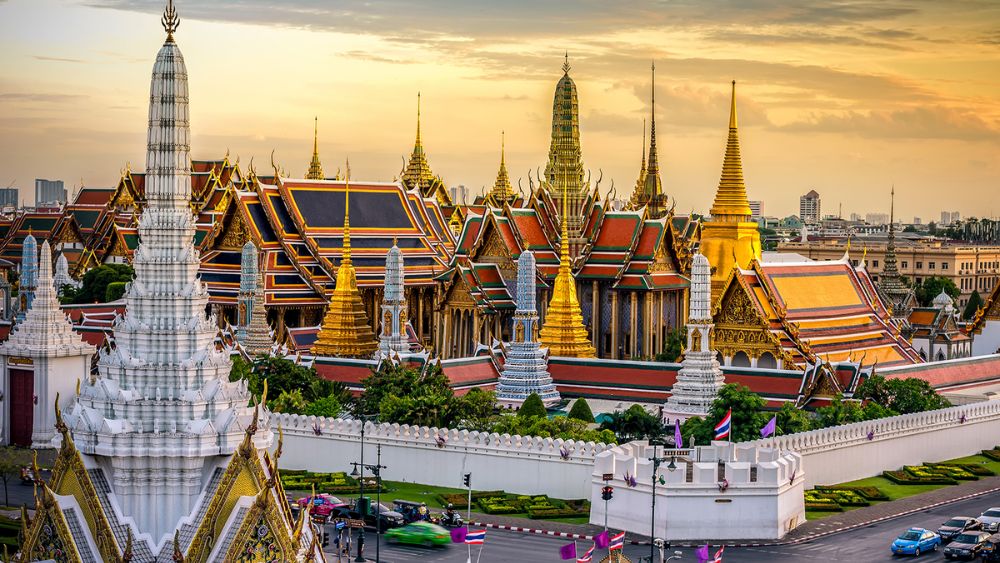
Which Currency Is Used in Bangkok?
The official currency of Bangkok is Thai Baht [TBH]. It is symbolized as “฿” and is presented on both coins and banknotes.
- Currency code- THB
- Symbol- ฿
- Subunit- 100 satang=1 baht
Thai Baht is accepted across all parts of the country, from luxury hotels and restaurants to small vendors and local market.
If you were thinking which currency used in Bangkok, so the simple answer is Thai Baht.
Understanding Thai Baht: Coins and Banknotes
While visiting Bangkok, you’ll be handling Thai Baht[TBH], the official currency of Thailand. understanding its coins and notes will help you to manage all the expenses in efficient and effective manner.
Thai Coins
Thai coins are mostly used for small exchanges like snacks, drinks, or local transport fares. They come in both satang and baht denominations.
- 25 satang and 50 satang coins – Rarely used now, 100 satang = 1 baht.
- 1 baht coin – Silver colored, commonly used for small purchases like water bottels.
- 2 baht coin – Slightly smaller and golden in colour, oftenly used for short rides or tips.
- 5 baht coin – Silver with a unique shape and thickness; useful for vending machines and parking.
- 10 baht coin – Silver outer ring with golden centre; most useful coin, largely used for short taxi rides or small meals.
Tip: Always carry some coins handy while exploring Bangkok, as street vendors and small shops often prefer exact change.
Thai Banknotes
Banknotes are more mostly used for shopping, dining, and sightseeing expenses. They come in various colours and sizes, making them easy to identify.
- 20 Baht (Green): Used for small purchases like snacks, short-distance rides, etc.
- 50 Baht (Blue): Handy for quick meals or tuk-tuk rides.
- 100 Baht (Red): most used notes which is suitable for restaurant bills and minor shopping.
- 500 Baht (Purple): Ideal for hotel payments or larger purchases.
- 1000 Baht (Gray): Highest denomination and commonly used for high-value transactions or currency exchange.
All Thai notes have King Maha Vajiralongkorn (Rama X) and define Thai designs, which shows their culture and royal heritage.
Tip: Many small vendors will not take large notes like 500 or 1000 Baht for small transactions, especially in local market. so, always carry some coins or small notes which helps you during local market shopping. ALaways try to break the currency when you make large purchases so it will help you to get changes.

Can You Use Indian Rupees, Dollars, or Euros in Bangkok?
Every travelers has one of the common question before planning their trip to bangkok, are they able to use Indian Rupees, Dollars, or Euros while travelling bangkok. But the simple answer is No. you have to use Thai Bhat, you have to use Thai note or coins for purchasing any good and services. Foreign currency were not accepted there. So, i think now you know which currency is used in bangkok. Local seller will clearly deny to accept foreign currency. Many hotels, travel agencies may show prices in foreign currencies for the convenience of travelers, but they will also charge in Thai currency.
Currency Exchange in Bangkok
Exchanging money is Bangkok is quite easy, simple and safe., but you have to know which currency is used in bangkok and whats the exchange rate. You can exchange your Indian Rupees, Dollars, or Euros for Thai Baht (THB) at any airports, banks, or any licensed money changers.
- Airports: Convenient but slightly lower rates.
- Banks: Reliable and safe, need a passport for ID.
- Money Changers: Places like SuperRich or Vasu Exchange offer the best rates.
- Hotels & Malls: Easy but less favorable exchange rates.
Compare rates before exchanging, carry clean notes, and avoid unverified street exchangers. ATMs are widely available but charge around 220 THB per withdrawal for foreign cards.
Using ATMs and Credit Cards in Bangkok
Using ATMs and credit cards in Bangkok is easy, simple and convenient. ATMs are everywhere, at airports, malls, and 7-Eleven stores and they accept international cards.
ATM fee: around 220 THB per withdrawal.
Use trusted banks like Bangkok Bank or Kasikorn Bank.
Inform your bank before traveling.
Credit and debit cards (Visa, Mastercard) should be used in hotels, malls, and restaurants, but for small shops prefer cash. Some stores may charge a 2–3% fee for the card users.
Digital Payments and E-Wallets in Bangkok
Digital payments are being popular in Bangkok, especially in malls, cafes, and tourist spots. Local people and travellers are using mobile wallets and QR payments rather than cash. Popular options include TrueMoney Wallet, Rabbit Line Pay, Alipay, and WeChat Pay. International cards linked to Google Pay or Apple Pay also work there at major stores and hotels.
Small vendors, street markets, and tuk-tuk drivers still take cash payments, so it’s better to keep some Thai Baht with you.
Money-Saving Tips for Travelers
Travelling in Bangkok would be affordable if you plan wisely. Here are some simple tips which makes your Bangkok trip wallet friendly.
Try Avoid unnecessary ATM withdrawals: Each transaction has a fee, so always withdraw larger amounts at once.
Exchange money smartly: Avoid airport counters; use trusted exchangers like SuperRich for better rates.
Use public transport: The BTS Skytrain and MRT are cheaper and faster than taxis.
Eat like a local: Street food is delicious, hygienic, and budget-friendly.
Book online deals: Check apps for discounts on attractions, hotels, and tours.
Carry both cash and card: Use cards for big payments and cash for small vendors.
Shopping and Spending in Bangkok with Thai Baht
Shopping in Bangkok is much simpler if you know which currency is accepted there. The majority of shops, marketplaces, and shopping centers only take Thai Baht (THB). Having cash on hand will enable you to haggle and make quick payments for anything from clothing to souvenirs to local snacks.
Deals can be found at well-known shopping destinations like Pratunam Market, MBK Center, and Chatuchak Market, but many small businesses do not accept credit or debit cards. There price woulbe in Thai Baht so firstly learn about which currency is used in bangkok. For easy transactions, always keep small notes like 20, 50, and 100 Baht on hand.
Tip: Credit or debit cards are a good option for large shopping centers and branded establishments. Cash is always the best option for street shopping because it is the currency that is used everywhere in Bangkok.
How to Plan Your Budget with the Currency Used in Bangkok
It’s a good idea to base your travel budget on the which currency is used in Bangkok before you go. Tourists can enjoy fantastic food, transportation, and shopping without breaking the bank with the Thai Baht.
Here is a brief estimate of typical daily expenses:
Meal from a street vendor: 50–100 THB
Local transportation costs between 30 and 100 THB per trip.
Hotel stay: mid-range, 1000–3000 THB per night
Shows or attractions: 200–800 THB
Avoid holding large sums of cash and exchange your money in installments. Use your card to book lodging or tours and cash for small daily expenses.
Current Exchange Rate Trends
Currently, 1 Thai Baht worth about ₹2.30 INR, though exchange rates can vary depending on from where you were exchanging your money. To understand exchange, you must first understand Which Currency Is Used in Bangkok so that you can convert your foreign currency into Thai Baht. In general, the Thai Baht stays stable against major currencies like the US Dollar, Euro, and Indian Rupee, but it can fluctuate during global economic shifts or tourist seasons. if you want to get the best value, always check live updated rates on reliable platforms like Xe.com, Google Currency Converter, or your bank’s app before exchanging your currency.
Conclusion
Understanding which currency is used in bangkok makes your trip smooth and stress free. The official currency is the Thai Baht(TBH), and it is the only form of money which is accepted in across the city. while credit cards, ATMs, and digital wallets make it easier for the travellers to spending, cash always remain king especially in the local market.
Exchange your money at trusted places like airport or any licenced changer, compare rate and keep both small and large notes for your convenience. If you manage your currency wisely and alaso use safe payements method, you will be able to enjoy Bangkok’s food and culture without and financial worry{1}.
